MEET THE TEAM
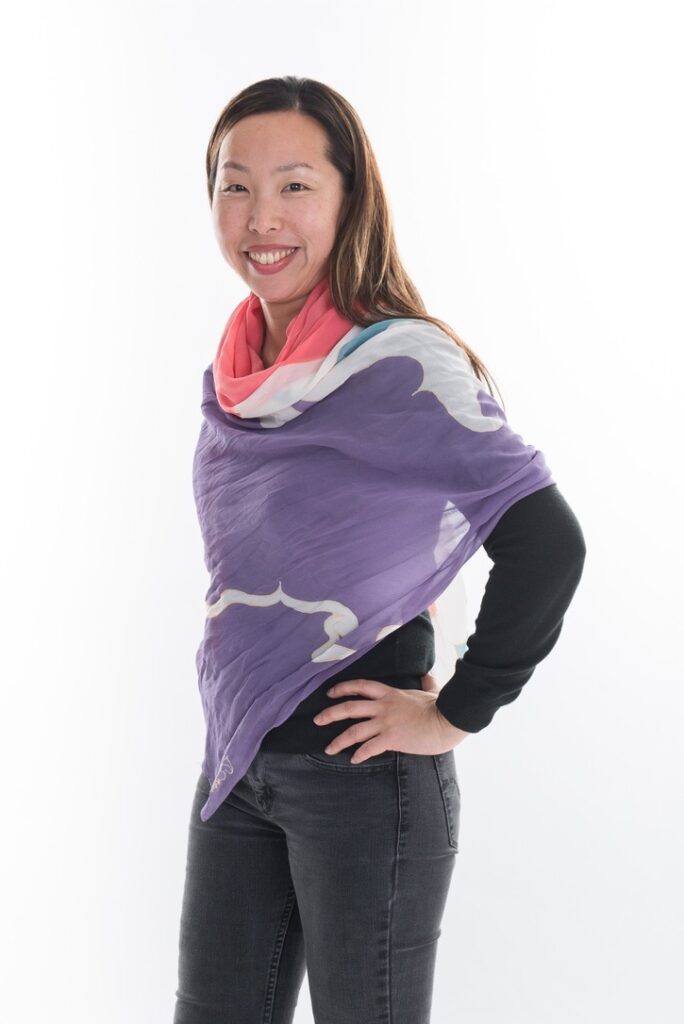
DR. KANAKO UZAWA - FOUNDER
Dr. Kanako Uzawa is an Ainu scholar, advocate, and artist. She is a multi-lingual and multi-faceted cultural scholar who speaks Japanese, English, Norwegian, and limited Ainu and has lived in six different countries. She spent her childhood and youth in the Ainu community of Nibutani, Hokkaidō, and in Tokyo. She grew up in both Ainu and Japanese cultures and states that “the Ainu people and culture are part of my everyday life just like Japanese people and culture”. She describes her Ainu people as the kindest and warmest people, with a rich culture and a lot of inspiration. She is a member of the Association of Rera in Tokyo, where she learned Ainu songs and dances from elders and became a cultural performer and international advocate for the Ainu community.
During her youth, she encountered negative representations and discrimination towards the Ainu and discovered a stark contrast between the general public view and her people. She began to wonder what does it mean to be Ainu in the twenty-first century? This gave her motivation to explore a way to express the contemporary livelihood of the Ainu.
Kanako Uzawa completed her MA and PhD in Indigenous Studies at UiT The Arctic University of Norway in Tromsø in 2020. She previously undertook an internship with the International Labour Organization (ILO) in Geneva, Switzerland, working on the Indigenous and Tribal Peoples Programme (PRO169). She has served as a research affiliate at the Museum of Cultural History, University of Oslo, and as a guest curator for Ainu exhibitions at the University of Michigan Museum of Art and the National Museum of Lithuania. As an artist, she developed an exhibition on the theme of “Scent” at the Vanderbilt University Museum of Art in the United States. She is also trained as a performing artist.
She is currently an invited faculty member at the Center for Ainu and Indigenous Studies, affiliated with the Global Research Unit for Indigenous Peoples and Cultural Diversity (GRID), and also serves as a collaborating faculty member of GI-CoRE. In addition, she works as an affiliated researcher at the Museum of Cultural History, University of Oslo, and as an Ainu art consultant for luxury hotel projects. Alongside her research on Indigenous knowledge and material culture, her artistic practice explores the intersection of Ainu tradition and contemporary expression through installation-based and performance-based work.
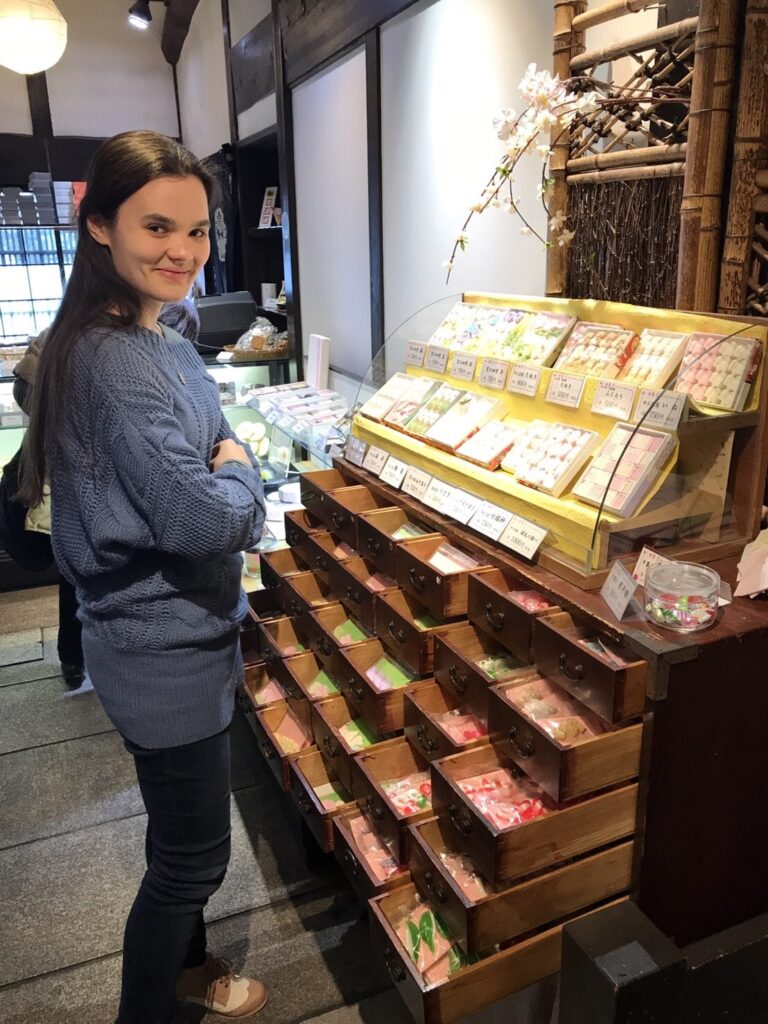
SABRA HARRIS - CONTRIBUTOR
Sabra Harris is PhD student at the University of California, Santa Barbara. An anthropologist and ethnographer, she is in the East Asian Culture Studies program, researching Indigeneity and contemporary Ainu identities. She received her masters in folklore from the University of Oregon in 2016, writing on digital storytelling and editing in anime music videos.
She was first introduced to Ainu during her undergrad in Asian Studies at the University of the South in Sewanee, TN. When she first began to study the myth of homogeneity in Japan, she came across Oki Dub Ainu Band, which not only challenged her perception of contemporary Japan but of contemporary Indigenous identity as well. The AinuToday platform is important because it challenges stereotypes that relegate Indigenous people to an ossified past. AinuToday collects and organizes materials that show how Ainu cultures are not relics, that they do not only exist in museums and history. They celebrate their identities in innovative ways and continue to affect the present.
Sabra first communicated with Dr. Uzawa through Sabra’s academic mentor at UCSB, ann-elise lewallen, who is also a friend and colleague of Dr. Uzawa. They spoke more and became better acquainted after Sabra attended Dr. Uzawa’s lecture on Ainu Resilience, which was hosted by the University of British Columbia’s Centre for Japanese Research in 2021.
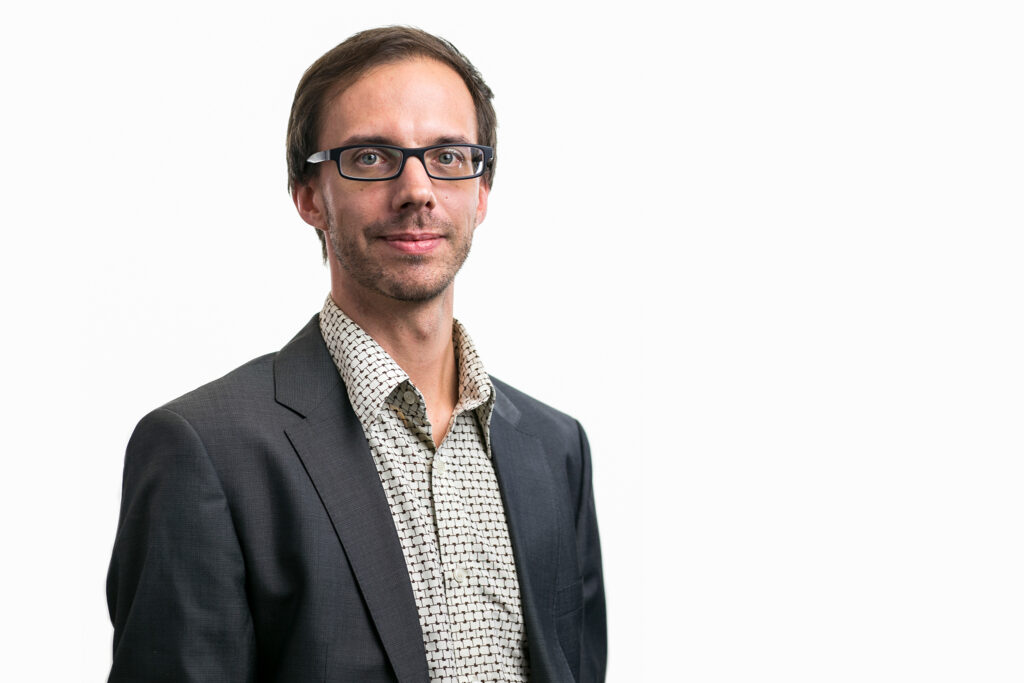
DR. SCOTT HARRISON - CONTRIBUTOR
Dr. Scott Harrison is a strategic advisor, consultant, and scholar specializing in Indigenous internationalism, Canada-Asia relations, and international engagement. He serves as Principal at Scott Harrison Consulting, Senior Advisor at Mokwateh (an Indigenous consultancy), and Research Fellow at Simon Fraser University’s David Lam Centre for Asian Studies.
Scott’s work focuses on Indigenous business and economic development, subnational diplomacy, and cross-cultural strategy. His research examines global Indigenous social and political movements, Reconciliation, and Indigenous diplomacy, including historical studies of Indigenous Peoples and the Cold War, Ainu international engagement, and the roots of contemporary Indigenous diplomacy.
His publications include peer-reviewed research on Indigenous Peoples and the San Francisco System, Canadian provincial and municipal engagement in Asia, and Ainu political activity in the postwar period, alongside policy analyses on Indigenous economic development and Canada–Asia relations.
Professionally fluent in Japanese and deeply connected across the Asia-Pacific, Scott bridges academic research, policy analysis, and advisory practice. He holds a PhD in History (Global Indigenous History) from the University of Waterloo and is completing an Executive MBA at Quantic School of Business and Technology. www.scottmharrison.com
While I had known of Dr. Uzawa and her work for many years, it wasn’t until Dr. Mark Watson formally introduced us that we began to discuss shared interests and ideas. I am looking forward to working with Dr. Uzawa and the growing Ainu Today team to promote a future full of understanding, respect, inclusivity, and life-long partnerships.
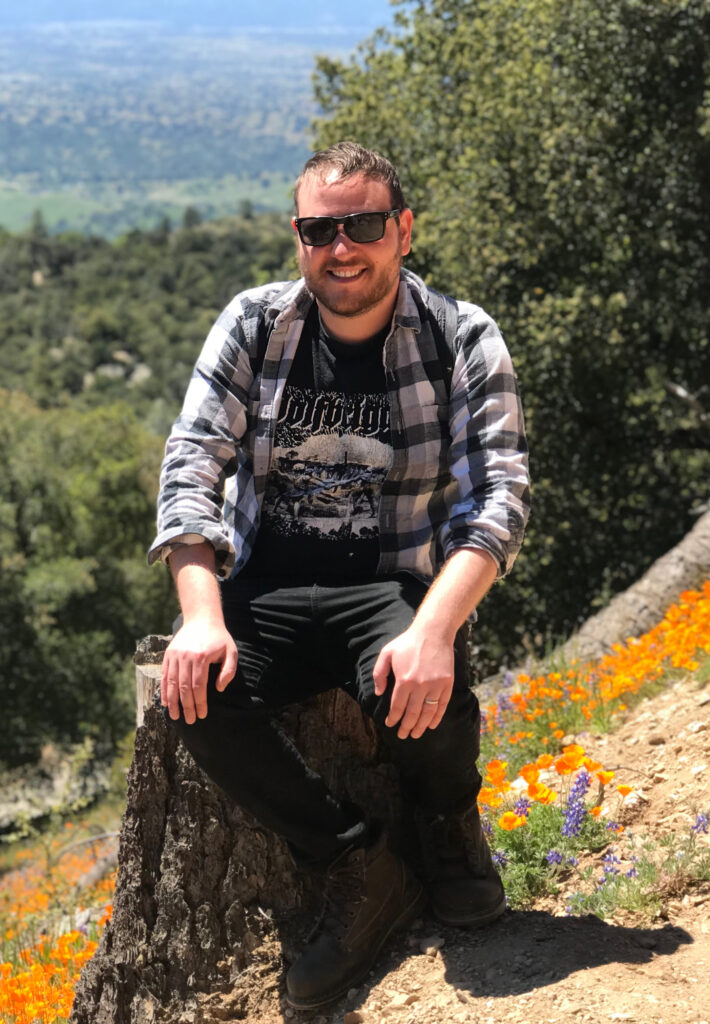
MICHAEL J. IOANNIDES - CONTRIBUTOR
Michael J. Ioannides (MA, Oregon State University; MA, UC Santa Barbara) is a 3rd year PhD student in the department of anthropology at the University of California, Santa Barbara. He has been studying contemporary political movements among the Ainu people for over a decade. His bachelor’s honor thesis at the University of Chicago (2010) discussed contemporary Ainu identity in relation to cultural competency and authenticity, while his master’s thesis at Oregon State University (2017) examined and critiqued the Saru River Development Project (including the Nibutani Dam and Biratori Dam) and its impacts on Ainu residents. For his PhD dissertation project, Michael hopes to conduct ethnographic fieldwork in Ainu Mosir to work and live alongside Ainu environmental restorationists, in the hopes of learning how their work might present a challenge to the Japanese government’s “construction state” paradigm of regional development as well as ongoing settler colonial dispossession in Ainu Mosir. He grounds his ethnographic engagement in an ethic of responsibility and relationality that derives from his commitment to Indigenous methodologies as a means of collaboratively producing non-extractive and non-exploitative scholarship that is accountable to community needs and desires.
Having been first exposed to Dr. Uzawa’s publications through his classes with professor ann-elise lewallen—who is Michael’s dissertation co-chair—Michael first reached out to Dr. Uzawa to introduce himself after seeing her presentation at the University of British Columbia’s Centre for Japanese Research in March 2021. Michael was thrilled when asked to contribute to AinuToday. This exciting and important project provides a portal for English-language readers into the issues that matter most to contemporary Ainu people. It also seeks to elevate and amplify the voices of Ainu people themselves, so that English-language readers can be exposed to perspectives that have too often been marginalized or ignored in the past. Michael wishes such a resource had been available ten years ago, when he was first getting started learning about the Ainu people’s struggle for justice. He is honored to contribute to such an important project.
María Victoria Díaz-González - Website Design

NAIRNE BROWN - CONTRIBUTOR

MIA KIVEL - CONTRIBUTOR
Mia Kivel is a settler-scholar and Ph.D. Candidate in the Department of History of Art at the Ohio State University. Her forthcoming doctoral dissertation—tentatively titled “Cutting Against the Grain: Art in 21st-Century Ainu Mosir” —centers on the work of contemporary Ainu artists and the myriad ways their work seeks to encourage reflection on issues pertaining to Indigenous rights that often go overlooked. For example, she argues that a wooden carving of a wolf might be read not just as an expression of a particular creative tradition, but also as one piece of an emerging discourse surrounding the Ainu right to stewardship over their ancestral homelands, as is promised by the United Nations Declaration on the Rights of Indigenous Peoples. She has also been responsible for developing curricula at the Ohio State University focusing on Indigenous art in Ainu Mosir and beyond, and has presented her research at conferences including the Association for Asian Studies and the East-West Center’s International Graduate Student Conference.
Mia began researching Ainu art in the completion of her MLitt dissertation at the University of Glasgow in 2021. This project, which focused on the political landscape surrounding the opening of Upopoy National Ainu Museum and Park, led her to encounter Dr. Kanako Uzawa’s research and performance practice, which has greatly informed her thinking about the way Ainu art is approached by non-Indigenous audiences. In the summer of 2025, she received research funding from her university to travel to Japan to take a course led by Dr. Uzawa at Hokkaido University. Working with Dr. Uzawa has left a significant impact on Mia’s perspective on her own research and responsibilities as a researcher, and she hopes to carry the lessons she learned with her through the completion of her Ph.D. and beyond.